

In the bustling city of Shrewsbury, Missouri, warehouses play a crucial role in supporting the local economy. As businesses strive to improve efficiency and reduce operational costs, upgrading warehouse lighting to LED has become a popular choice. LED lighting not only offers significant energy savings but also enhances the overall working environment. This article explores the benefits of transitioning to LED lighting in warehouses and provides insights into the various factors to consider during the upgrade process.
Energy Savings of Warehouse Lighting in LED
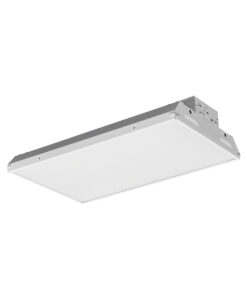
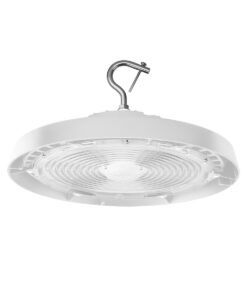
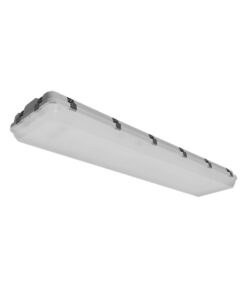
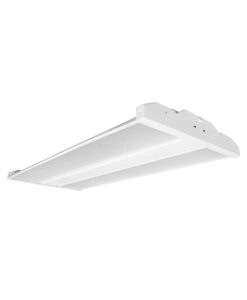
Switching to LED lighting in warehouses can lead to substantial energy savings. Different types of lighting fixtures are available, each suited for specific applications and mounting heights. Understanding these options is essential for maximizing efficiency and performance.
| Lighting Fixture | Application | Typical Mounting Height | Energy Saving (%) |
|---|---|---|---|
| High Bay Lights | Large open areas | 15-40 feet | 60% |
| Low Bay Lights | Smaller spaces | 12-20 feet | 50% |
| LED Strip Lights | Aisles and shelving | 8-15 feet | 55% |
| Flood Lights | Outdoor areas | Variable | 65% |
By choosing the right fixtures and configurations, warehouses can achieve optimal lighting conditions while significantly reducing energy consumption.

Every Warehouse in Shrewsbury city, Missouri is Different
Understanding the existing lighting setup is crucial when planning an upgrade to LED. Each warehouse in Shrewsbury, Missouri, has unique characteristics that influence the choice of lighting solutions. Identifying the types, models, and wattage of current fixtures is the first step. This information helps in determining the appropriate LED replacements that will meet the facility’s needs.
Additionally, knowing the input voltage for the lights is essential to ensure compatibility with new LED fixtures. The dimensions of the warehouse also play a significant role in selecting the right lighting. Larger spaces may require high bay lights, while smaller areas might benefit from low bay or strip lights.
Understanding the major operations within the warehouse is equally important. For instance, warehouses with high levels of activity may require brighter lighting to ensure safety and efficiency. By considering these factors, businesses can tailor their lighting upgrades to enhance productivity and reduce energy costs.
Other Considerations for Shrewsbury city, Missouri
When selecting lighting fixtures for warehouses in Shrewsbury, Missouri, local climate-specific conditions must be taken into account. The region’s weather patterns can affect the performance and longevity of lighting systems. For example, fixtures exposed to extreme temperatures or humidity may require additional protection or specific designs to ensure durability.
Moreover, local codes or utility rebates may influence the choice of lighting controls. Implementing controls such as daylight sensors or motion sensors can further enhance energy efficiency. These controls automatically adjust lighting levels based on occupancy or natural light availability, reducing unnecessary energy consumption.
The benefits of incorporating lighting controls extend beyond energy savings. They contribute to a more comfortable and adaptable working environment, improving employee satisfaction and productivity. By considering these factors, businesses in Shrewsbury can make informed decisions when upgrading their warehouse lighting systems.
Discover the Best LED Solutions for Your Warehouse
At PacLights, we specialize in providing high-quality LED warehouse lighting solutions designed for commercial and industrial applications. Our extensive range of offers includes indoor and outdoor lighting options that are not only energy-efficient but also designed to meet the diverse needs of our customers. Whether you’re looking to retrofit your existing lighting system or install new lighting fixtures, PacLights has the expertise and products to illuminate your space effectively. To learn more about how we can help you upgrade your warehouse lighting, Ask an Expert today.
Disclaimer: PacLights is not responsible for any actions taken based on the suggestions and information provided in this article, and readers should consult local building and electrical codes for proper guidance.