

Industrial facilities operate in harsh conditions where lighting failures cost money and create safety risks. At PacLights, we’ve seen firsthand how durable cylinder lighting fixtures make the difference between a well-run operation and one plagued by downtime.
The right fixtures handle impact, moisture, and constant use without breaking down. This introduction covers what makes these lights essential and how to select the best ones for your facility.
Why Durability Matters in Heavy-Use Facilities
Industrial facilities lose money the moment a light fails. A single burned-out fixture in a warehouse means darker work zones, slower operations, and potential safety violations. According to ENERGY STAR data, lighting accounts for 17% of electricity use in U.S. commercial buildings, making it a significant operational cost. But the real expense isn’t just energy consumption-it’s the labor and downtime from constant maintenance. When you replace fixtures every few years instead of every 25,000 to 50,000 hours, you pay twice: once for the replacement part and again for the technician’s time climbing ladders and disrupting production.
Facilities that run lights 12 hours daily face mounting maintenance costs that quickly exceed the price of upgrading to durable cylinder fixtures in the first place. A 50-fixture installation in a warehouse can save approximately $1,050 annually in electricity alone, plus an additional 10-15% in HVAC savings since LED fixtures generate far less heat than incandescent or fluorescent alternatives. Over five years, that’s $5,250 in energy savings before you even factor in maintenance labor. The financial case for durability is straightforward: buy fixtures built to last, and you stop paying for replacements.
What Durability Actually Means in Practice
Durability isn’t marketing language-it’s measurable. LED cylinder fixtures last 25 to 50 times longer than incandescent or fluorescent sources, with ratings of 25,000 to 50,000 operating hours compared to 1,000 to 2,000 hours for older technologies. That means fewer service calls, less inventory management for spare parts, and staff focused on operations instead of maintenance.
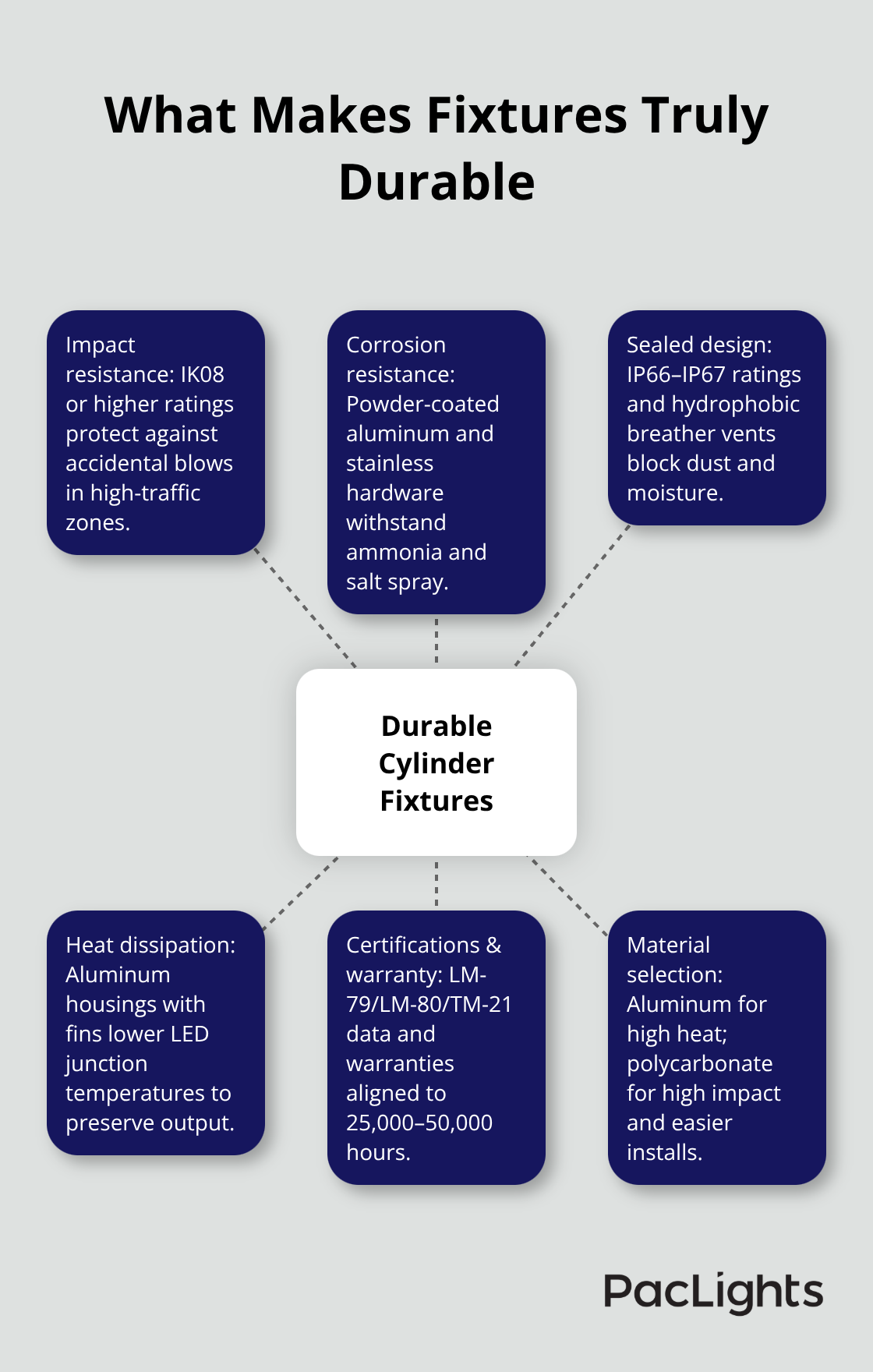
The material matters too. Aluminum housings act as effective heat sinks, keeping LED junction temperatures down and preserving lumen output over time. For corrosive environments like dairy barns or coastal facilities, powder-coated aluminum with stainless steel hardware resists ammonia and salt spray far better than painted finishes alone. In high-impact zones, impact-resistant designs with IK ratings of IK08 or higher protect against accidental bumps and collisions. Sealed designs with IP66 or higher ratings keep dust and moisture out, preventing internal corrosion and electrical failures.
How Materials Protect Against Environmental Threats
Corrosive atmospheres from animal waste aggressively attack uncoated aluminum, so specify corrosion-resistant powder coatings and stainless hardware (316 SS in harsher zones) to extend fixture life. UV exposure near doors requires UV-stabilized polycarbonate to prevent yellowing; verify chemical compatibility if cleaners or disinfectants are used in your facility. Hydrophobic breather vents equalize pressure and prevent moisture buildup inside the fixture, a detail that separates fixtures that survive from those that fail prematurely.
Safety and Compliance Drive the Decision
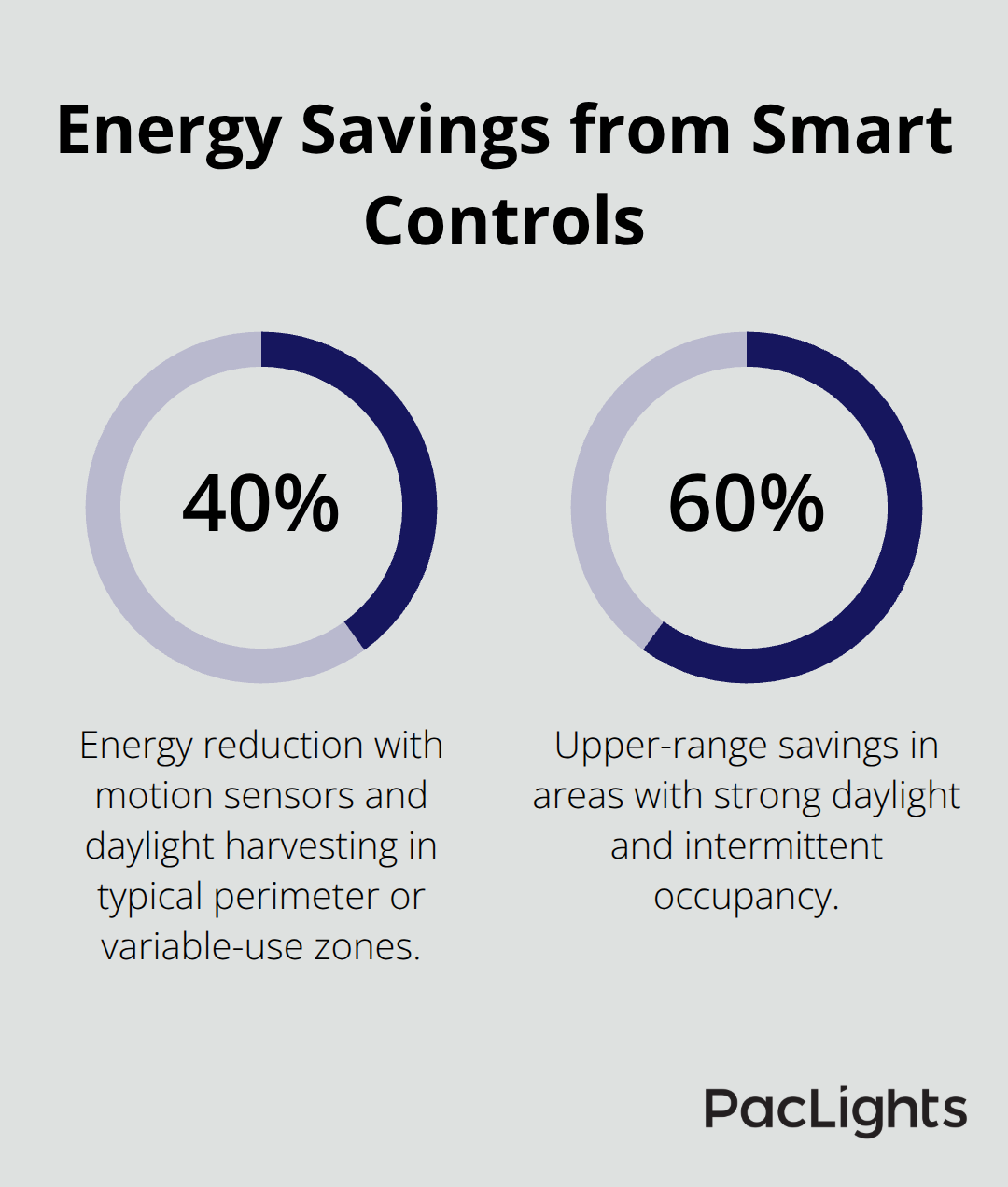
Regulatory requirements aren’t negotiable. Facilities must maintain adequate illumination for worker safety, and dimly lit or failing fixtures create liability. Motion sensors and daylight harvesting reduce energy waste by 40-60% compared to fixed-output systems while maintaining required light levels.
Emergency battery backup options keep critical areas like corridors and exits lit during outages, meeting code requirements and protecting personnel.
Compliance with Title 24 standards and other regional regulations requires fixtures that perform reliably and document their performance through certifications like UL or ETL listings, IES LM-79 photometric data, and LM-80 lumen maintenance projections. Choosing fixtures with verified durability specifications means passing inspections without surprises and avoiding costly retrofits later.
Selecting the Right Fixture for Your Environment
The material choice reflects a trade-off: aluminum suits high-output, high-heat environments; polycarbonate suits low-power, high-impact, easy-installation environments. For high-output barn lighting (more than 150W or approximately 20,000 lumens), die-cast aluminum housings are typically preferred due to superior heat dissipation, which helps preserve lumen maintenance and fixture life. For lower-power applications (under 60W) with less heat, UV-stabilized polycarbonate housings can be acceptable, offering lighter weight and easier installation.
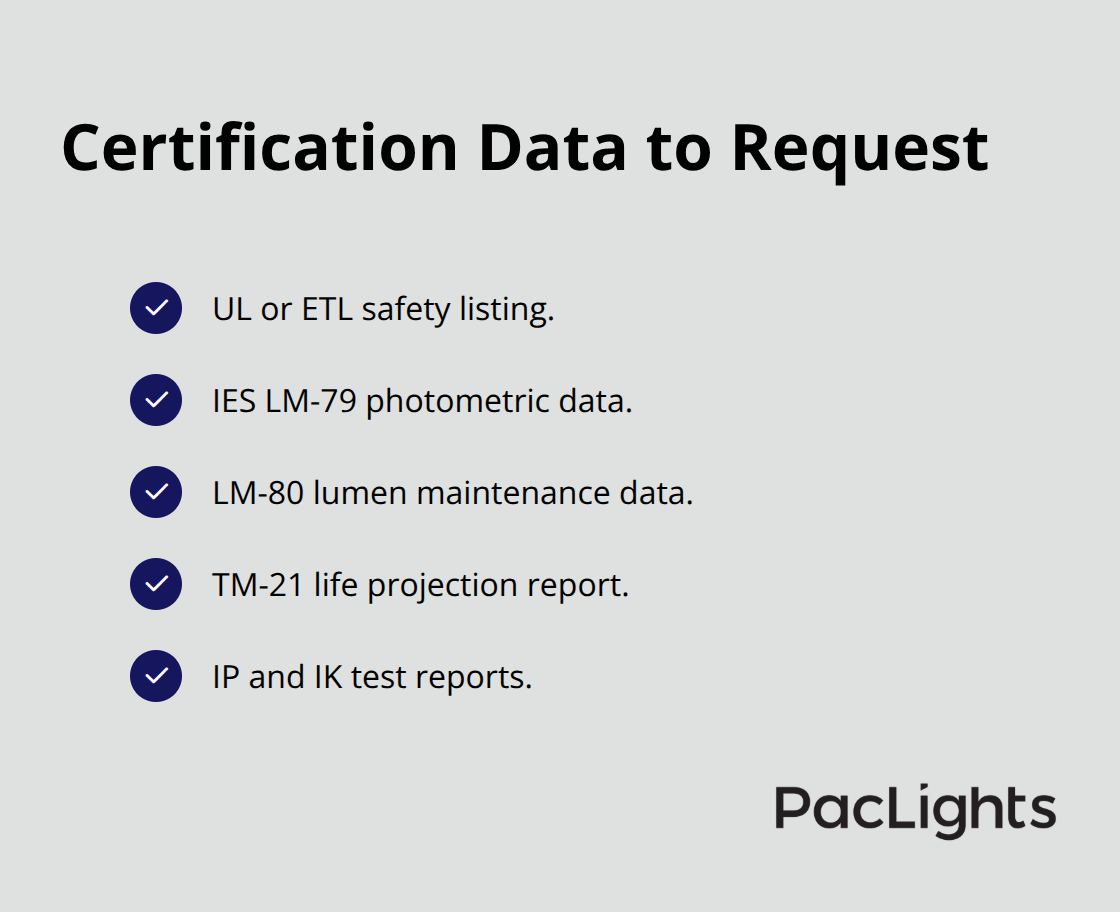
Demand certification data: UL or ETL safety listings, IES LM-79 photometric data, LM-80 lumen maintenance, TM-21 life projections, and IP/IK test reports. For high-risk projects, involve a qualified electrical engineer or lighting designer early in the specification process. Long-term performance claims depend on proper heat sinking; if heat is not effectively managed, LM-79/LM-80/TM-21 projections may not reflect real-world life.
Now that you understand what makes fixtures durable, the next step is identifying which applications benefit most from heavy-duty cylinder lighting and how to match fixture specifications to your specific operational demands.
What Separates Durable Fixtures from the Rest
Material Selection Determines Impact Performance
Impact resistance starts with material selection and construction methods that most facilities overlook. Polycarbonate housings deliver IK08 or higher impact ratings, meaning they withstand direct blows from tools, equipment, or accidental contact without cracking. Aluminum housings, while less impact-resistant on their own, compensate through die-cast construction that distributes force across larger surface areas. In high-traffic zones, low-mounted fixtures in warehouses or factory floors encounter regular contact, so polycarbonate’s superior impact performance justifies its use despite being a thermal insulator. Aluminum excels in high-bay applications where heat dissipation matters more than impact resistance.
Corrosion Resistance Extends Fixture Life
For outdoor industrial facilities and parking areas, aluminum with powder-coated finishes rated at 3 mils minimum thickness resists corrosion far better than thinner coatings, preventing rust that weakens structural integrity. Stainless steel hardware throughout eliminates galvanic corrosion at connection points, a failure mode that undermines even well-selected housings. Coastal installations and facilities with ammonia exposure (such as dairy barns) require this level of protection to avoid premature failure and frequent replacements.
Sealed Designs Prevent Internal Failures
IP66 ratings guarantee dust-tight performance and protection against strong water jets from any direction, covering heavy rain and wash-down scenarios common in manufacturing plants. IP67 adds temporary immersion protection up to 1 meter for 30 minutes, essential for facilities prone to flooding or frequent hose-down cleaning. Hydrophobic breather vents equalize internal pressure without allowing moisture ingress, preventing condensation that corrodes electrical components and dims output over time. This detail separates fixtures that fail prematurely from those that operate reliably for decades.
Heat Dissipation Preserves Lumen Output
Extended lifespan claims mean nothing without proper heat sinking, so aluminum housings with fins or extended surfaces actively dissipate heat that would otherwise degrade LEDs and reduce lumen maintenance projections per IES LM-80 standards. Inadequate heat management raises LED junction temperatures and accelerates lumen depreciation, undermining manufacturer performance projections. Fixtures designed with effective thermal pathways maintain output levels that fixtures with poor heat sinking cannot match, even when both carry identical wattage ratings.
Certifications Reveal True Durability
Warranty coverage reflects manufacturer confidence: fixtures rated for 25,000 to 50,000 operating hours should carry warranties matching this timeline, not generic one-year blanket coverage that ignores real-world durability. Demand LM-79 photometric data, LM-80 lumen maintenance curves, and TM-21 life projections certified by independent testing, not manufacturer estimates. These standards reveal whether a fixture maintains 90% of initial lumens at 50% of rated life, a baseline that separates premium durability from optimistic marketing. When you compare fixtures side by side, certification data exposes which ones actually deliver on durability promises and which ones rely on marketing language alone.
Understanding these material and design factors positions you to evaluate specific applications where durable cylinder fixtures deliver measurable returns on investment.
Where Durable Cylinder Fixtures Deliver the Biggest Returns
Warehouses and Distribution Centers
Warehouses and distribution centers operate on razor-thin margins where every minute of downtime translates directly to lost revenue. These facilities run lights 12 to 16 hours daily across thousands of square feet, making fixture reliability non-negotiable. Durable cylinder fixtures rated for 25,000 to 50,000 operating hours eliminate the constant replacement cycle that plagues older technology. A typical 50-fixture warehouse installation saves approximately $1,050 annually in electricity costs alone, but the real payoff comes from eliminating maintenance labor. When you stop replacing fixtures every few years, your maintenance team focuses on operations instead of climbing ladders to swap burned-out lights.
Motion sensors and daylight harvesting reduce energy consumption by 40 to 60% in perimeter zones where natural light varies throughout the day, cutting utility bills further without sacrificing visibility where workers need it most.
Manufacturing Plants and Factory Floors
Manufacturing plants and factory floors demand even more from lighting systems because production lines cannot tolerate dark work zones. A single failed fixture above a critical assembly station stops the line, costing thousands per hour in lost output. Durable cylinder fixtures with IP66 or higher ratings resist dust, metal shavings, and coolant mist that corrode standard fixtures within months.
For facilities using ammonia-based disinfectants or operating in high-humidity environments, powder-coated aluminum with 3-mil minimum coating thickness and stainless steel hardware prevents premature corrosion that undermines cheaper alternatives. The directional design of cylinder fixtures concentrates light exactly where machines and workers need it, reducing wasted light and improving lumen-per-watt efficiency beyond baseline LED gains. This precision means you install fewer fixtures to achieve required illumination levels, lowering upfront costs and simplifying electrical infrastructure.
Outdoor Industrial Facilities and Parking Areas
Outdoor industrial facilities and parking areas face the harshest conditions, where fixtures endure temperature swings, UV exposure, salt spray, and constant moisture. Coastal installations require corrosion-resistant materials that cost 40% more upfront but eliminate replacement cycles every two to three years. Die-cast aluminum housings with extended heat-dissipation fins maintain output levels even in direct sunlight where ambient temperatures exceed 40 degrees Celsius.
UV-stabilized acrylic diffusers prevent yellowing that reduces light transmission over time, while untreated plastics degrade rapidly under constant sun exposure. For parking structures and outdoor areas where fixtures mount low enough for impact contact, polycarbonate housings with IK08 or higher ratings withstand direct blows from vehicles and equipment without cracking. IP67 ratings add temporary immersion protection for areas prone to flooding or frequent wash-downs, ensuring fixtures operate reliably even after water exposure.
The Financial Case Across All Applications
Durable fixtures cost more initially but eliminate replacement labor, reduce energy consumption, and maintain safe illumination levels throughout their rated lifespan. Facilities that ignore durability specifications end up replacing fixtures twice as often, paying technician wages repeatedly, and risking safety violations when lighting fails at critical moments.
Final Thoughts
Durable cylinder lighting fixtures transform how industrial facilities approach lighting investments. Rather than treating lights as commodity expenses that need replacement every few years, you treat them as long-term operational assets that eliminate maintenance labor, reduce energy consumption, and protect production schedules. A warehouse or manufacturing facility that selects fixtures rated for 25,000 to 50,000 operating hours stops the replacement cycle that drains budgets repeatedly.
Matching material specifications to your environment determines whether fixtures actually deliver on durability promises. High-output applications require aluminum housings with effective heat dissipation; high-impact zones benefit from polycarbonate’s superior impact resistance. Corrosive environments like dairy barns or coastal facilities need powder-coated aluminum with stainless steel hardware rated for ammonia and salt spray exposure, while IP66 or higher ratings protect against dust and moisture in manufacturing plants and outdoor areas. Demand certification data including LM-79 photometric testing, LM-80 lumen maintenance curves, and TM-21 life projections before committing to any fixture, as these standards reveal whether a fixture maintains 90% of initial lumens at 50% of rated life.
We at PacLights provide durable cylinder lighting fixtures with optional motion sensors and daylight harvesting controls that cut energy use by 40 to 60% while maintaining required illumination levels. Contact PacLights to receive a free lighting layout design and ROI assessment tailored to your facility’s specific requirements.
Disclaimer: PacLights is not responsible for any actions taken based on the suggestions and information provided in this article, and readers should consult local building and electrical codes for proper guidance.