

In the heart of Sublimity city, Oregon, warehouse operations are evolving, and so is the need for efficient lighting solutions. Upgrading to LED lighting is not just a trend but a necessity for businesses aiming to reduce energy consumption and enhance operational efficiency. LED lighting offers numerous benefits, including lower energy costs, improved lighting quality, and reduced maintenance needs. This article explores the advantages of transitioning to LED lighting in warehouses and provides insights into making the switch seamlessly.
Energy Savings of Warehouse Lighting in LED
Switching to LED lighting in warehouses can lead to significant energy savings. The following table outlines different types of warehouse lighting fixtures, their applications, typical mounting heights, and the energy savings percentage from upgrading to LED.
| Lighting Fixture | Application | Typical Mounting Height | Energy Savings (%) |
|---|---|---|---|
| High Bay Lights | Large open areas | 15-40 feet | 60% |
| Low Bay Lights | Smaller spaces | 12-20 feet | 50% |
| Strip Lights | Aisles and shelving | 8-15 feet | 55% |
| Flood Lights | Outdoor areas | Variable | 65% |
These energy savings not only reduce operational costs but also contribute to a more sustainable business model. By understanding the specific needs of your warehouse, you can select the appropriate LED fixtures to maximize efficiency and performance.
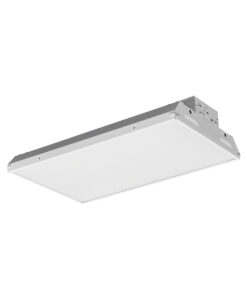
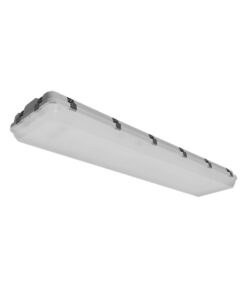

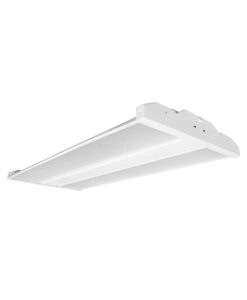
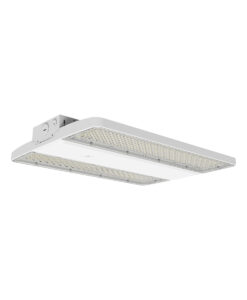
Every Warehouse in Sublimity city, Oregon is Different
Understanding the unique characteristics of each warehouse is crucial when planning an upgrade to LED lighting. The first step is to assess the existing lighting setup, which involves identifying the types of fixtures currently in use, their models, wattage, and input voltage. This information is vital as it helps determine the compatibility of new LED fixtures with the existing electrical infrastructure.
Additionally, the dimensions of the warehouse play a significant role in selecting the right lighting solutions. Larger spaces may require high bay lights, while smaller areas might benefit from low bay or strip lights. The primary operations conducted within the warehouse also influence lighting needs. For instance, warehouses with high-precision tasks may require brighter, more focused lighting compared to those used for storage.
By thoroughly evaluating these factors, businesses can ensure a smooth transition to LED lighting, optimizing both energy efficiency and operational effectiveness.
Other Considerations for Sublimity city, Oregon
When selecting lighting fixtures for warehouses in Sublimity city, Oregon, it’s essential to consider local climate-specific conditions. The region’s weather patterns can affect the performance and longevity of lighting fixtures, making it crucial to choose products designed to withstand local environmental factors.
Moreover, local codes or utility rebates may necessitate the inclusion of lighting controls, such as daylight sensors or motion sensor controls. These controls not only enhance energy savings by adjusting lighting based on occupancy and natural light availability but also improve the overall functionality of the lighting system.
Implementing these advanced controls can lead to additional cost savings and contribute to a more sustainable operation, aligning with both regulatory requirements and environmental goals.
Illuminate Your Warehouse with PacLights
At PacLights, we specialize in providing high-quality LED warehouse lighting solutions designed for commercial and industrial applications. Our extensive range of offers includes indoor and outdoor lighting options that are not only energy-efficient but also designed to meet the diverse needs of our customers. Whether you’re looking to retrofit your existing lighting system or install new lighting fixtures, PacLights has the expertise and products to illuminate your space effectively. To learn more about how we can assist you in upgrading your warehouse lighting, Ask an Expert today.
Disclaimer: PacLights is not responsible for any actions taken based on the suggestions and information provided in this article, and readers should consult local building and electrical codes for proper guidance.