

Cylinder pendant lighting transforms contemporary spaces with clean lines and functional elegance. Whether you’re designing a corporate office, retail showroom, or industrial workspace, these fixtures deliver both style and performance.
At PacLights, we’ve seen how the right pendant lighting can define a room’s character while solving real lighting challenges. This guide walks you through design styles, practical applications, and customization options that work in modern environments.
Design Styles That Define Modern Spaces
Minimalist, Industrial, and Scandinavian Approaches
Cylinder pendant lights anchor contemporary interiors through three distinct aesthetic approaches, each solving specific design problems. Minimalist spaces demand pure geometry-matte black or brushed nickel cylinders with no ornamentation, typically 4–6 inches in diameter, hung at consistent 18–24 inch spacing over islands or tables. These fixtures work because they disappear visually while delivering focused task lighting; a single 10W LED cylinder pendant produces approximately 800 lumens, enough for functional kitchen work without visual clutter. Industrial and transitional designs flip this equation entirely. Raw metal finishes like satin nickel and bronze pair with exposed Edison-style or vintage-looking bulbs inside clear glass cylinders, creating visual interest through material contrast rather than decoration. This approach works best in loft conversions and warehouse renovations where you want lighting to announce itself as functional equipment rather than fade into the background. Scandinavian and mid-century influenced spaces split the difference-warm brass or copper finishes on simple cylindrical forms, often with frosted glass diffusers that soften light to approximately 2700K color temperature. This warmth matters: spaces lit at 2700K feel 15–20 percent more inviting than identical spaces at 4000K according to lighting research, which explains why Scandinavian interiors feel so comfortable despite their minimalist structure.
Matching Style to Your Lighting Problem
The critical decision isn’t which style you prefer but which one solves your actual lighting problem. Minimalist cylinders excel at task lighting where you need downward light concentration over work surfaces; industrial finishes work when you want visual rhythm across long runs of fixtures-commercial kitchens often space these 2–3 feet apart to create movement and guide the eye. Scandinavian warmth dominates residential and hospitality settings where people linger, not just work. Consider material durability alongside aesthetics: matte black powder-coated finishes require 2–3 mil coating thickness to resist fingerprints and dust, while brass finishes develop patina unless you prefer maintenance-free satin finishes instead.
Height, Spacing, and Visual Rhythm
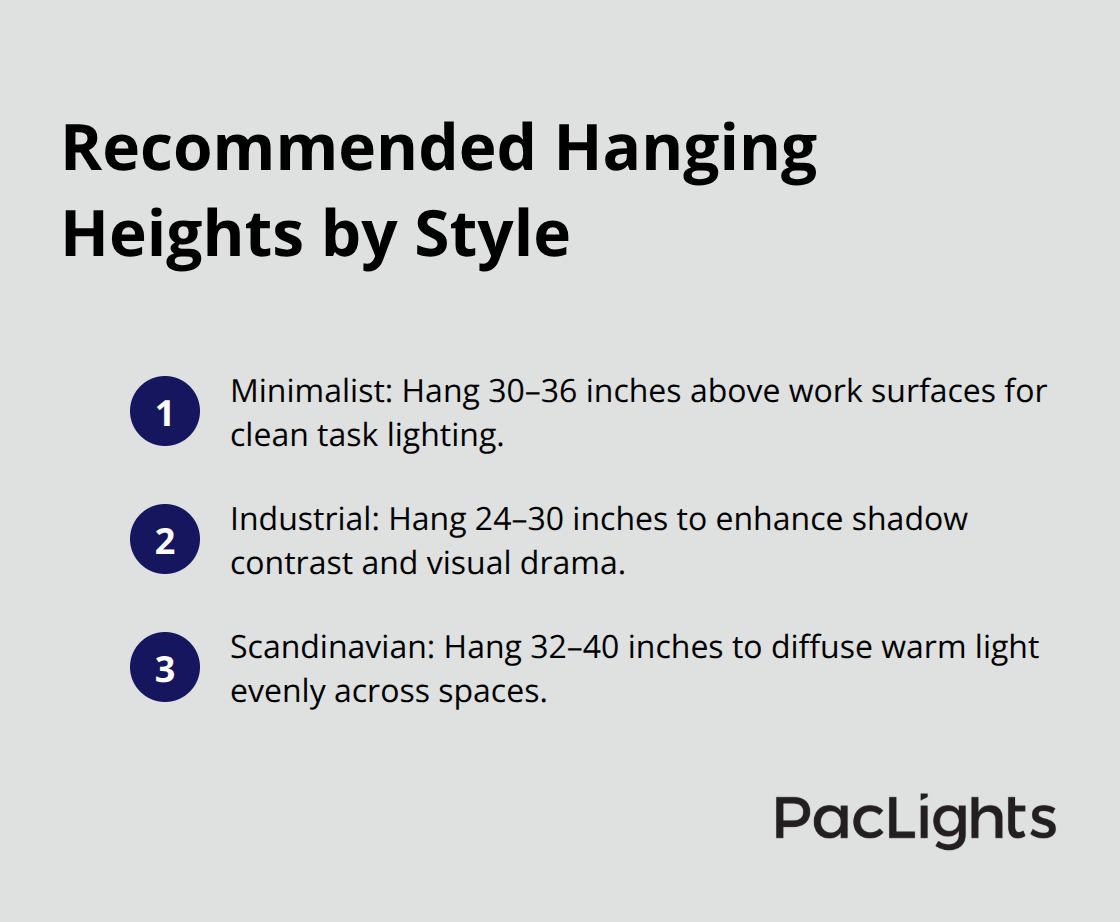
Spacing and height adjustability determine whether your choice actually functions. For contemporary spaces, try hanging minimalist fixtures 30–36 inches above work surfaces, industrial designs 24–30 inches for more dramatic shadow play, and Scandinavian styles 32–40 inches to diffuse warm light more evenly. Multiple cylinders hung at staggered heights create visual rhythm without requiring complex installation-this layering approach works in open-plan offices where you need to define zones without walls.
Energy efficiency remains consistent across all three approaches since most quality cylinder pendants now use LED drivers; expect 25,000–50,000 hour lifespans and roughly 75–80 percent less power consumption than incandescent alternatives, translating to approximately $1,050 annual savings for a 50-fixture installation running 12 hours daily at typical commercial electricity rates.
Applying These Styles to Your Space
Each aesthetic approach translates directly into functional specifications that affect both performance and procurement. Minimalist installations typically require tight spacing tolerances and consistent fixture sizing to maintain visual order, while industrial designs tolerate-and often benefit from-variation in height and spacing. Scandinavian approaches demand attention to color temperature and diffuser quality since warm light without proper diffusion creates glare rather than comfort. The material choice you make today affects maintenance costs for years: satin finishes eliminate patina concerns, while polished brass or copper require regular cleaning to maintain their appearance. Your next step involves assessing which aesthetic aligns with your space’s existing architecture and your team’s maintenance capacity, then moving into the practical applications where these styles actually perform their work.
Where Cylinder Pendants Perform Best in Commercial Settings
Corporate Offices and Open-Plan Layouts
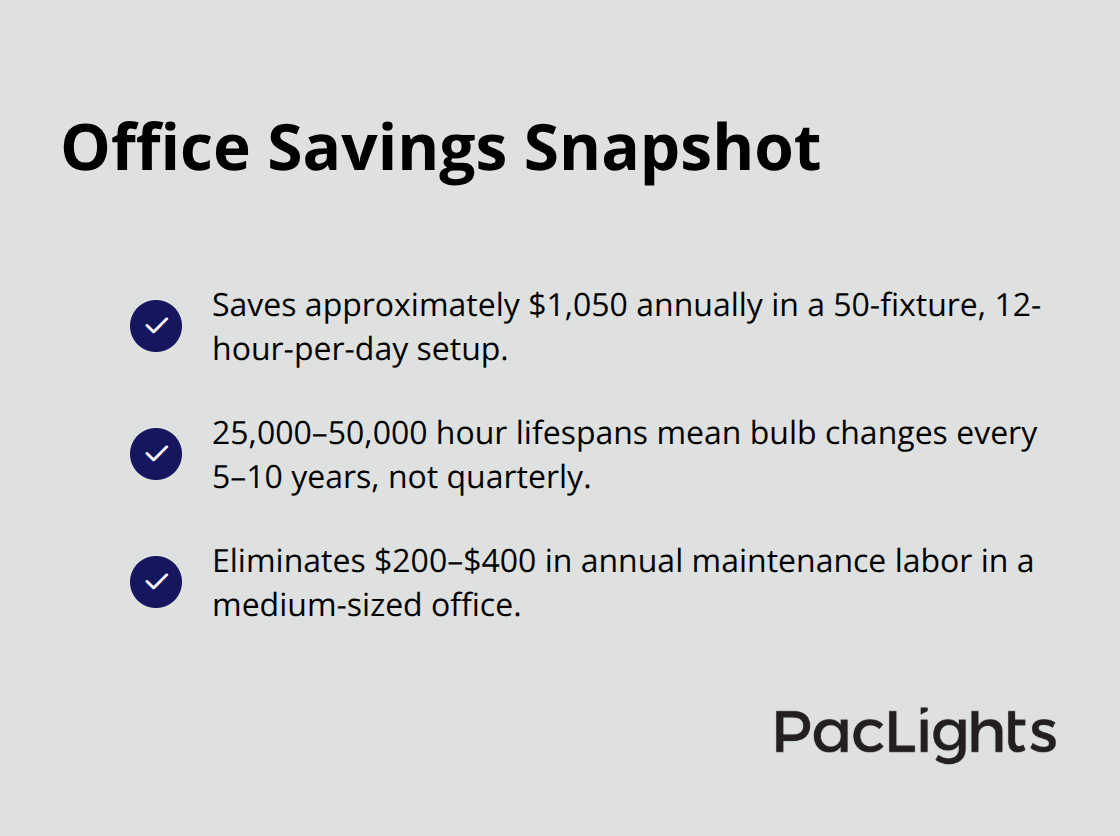
Cylinder pendant lights solve specific problems in corporate offices when matched correctly to the space’s actual lighting demands. Minimalist matte black or satin nickel cylinders hung 54 inches from the floor define work zones without requiring physical partitions in open-plan layouts. A typical 50-fixture office installation running 12 hours daily at $0.14 per kilowatt-hour saves approximately $1,050 annually through LED efficiency compared to incandescent systems. More importantly, the 25,000 to 50,000 hour lifespan means you replace bulbs once every 5 to 10 years instead of quarterly, eliminating the maintenance labor that costs companies $200 to $400 annually in a medium-sized office.
Motion sensors and daylight harvesting controls reduce consumption further by 40 to 60 percent; offices that dim fixtures to 20 percent output during unoccupied periods see real savings without sacrificing performance when people actually work.
Retail and Hospitality Environments
Restaurants and cafes perform better with warm 2700K to 3000K Scandinavian-influenced brass or copper finishes hung 36 to 40 inches above tables, creating intimate lighting that encourages customers to linger and spend more. Retail showrooms require higher brightness and tighter spacing-typically 18 to 24 inch intervals with 4000K color temperature-to highlight merchandise accurately without harsh shadows. Glass or crystal cylinder options work here because they scatter light evenly rather than concentrating it downward, a critical distinction for product visibility.
Warehouse and Industrial Facilities
Warehouse and industrial facilities need industrial-style cylinders with exposed elements, spaced 2 to 3 feet apart to create visual rhythm along long work surfaces while delivering concentrated task lighting. These spaces prioritize durability: aluminum housings with 2 to 3 mil powder-coat thickness resist corrosion and dust accumulation better than cheaper finishes. The spacing decision matters more than aesthetics in these environments-too close together and you waste energy on overlapping light; too far apart and workers struggle with shadows and eye strain.
Control Systems and Material Specifications
Verify that fixtures support 0 to 10V dimming or wireless controls before purchase; this integration enables networked lighting controls that adapt output based on occupancy and time of day, a feature that separates high-performing installations from adequate ones. The material choice affects total cost of ownership significantly: satin finishes cost slightly more upfront but eliminate the maintenance time required for polished brass or copper. Mounting height and slope-ceiling compatibility matter for installation speed and cost-fixtures with adjustable suspension systems reduce on-site adjustments and labor expenses. These technical specifications directly impact your project timeline and long-term operational costs, making them essential considerations before moving into the customization options that fine-tune performance for your specific facility.
Installation and Customization Options
Sizing Fixtures to Your Work Surfaces
Sizing cylinder pendant fixtures requires measuring your actual work surfaces and calculating lumens based on task demands, not guesswork. For kitchen islands and work tables, measure the surface length and divide by the number of fixtures you plan to install-this determines spacing. A 4-foot island works best with two 6-inch diameter cylinders spaced 24 inches apart, each delivering approximately 800 lumens at 10W LED output. Spacing closer than 18 inches creates overlapping light pools that waste energy; spacing wider than 30 inches leaves dark zones between fixtures.
Ceiling height affects fixture placement directly. Eight-foot ceilings require fixtures hung 30–36 inches above work surfaces to avoid head clearance issues and maintain proper light distribution, while 10-foot or higher ceilings tolerate 36–48 inch suspension for more dramatic shadow effects in industrial settings. The diameter you select affects visual weight and light concentration-4-inch cylinders suit tight spaces and minimalist designs, while 6–8 inch diameters work better in commercial kitchens and large open-plan offices where visual presence matters.
Selecting Materials for Long-Term Performance
Material selection determines your total cost of ownership far more than the fixture price itself. Satin finishes on aluminum or stainless steel cost 10–15 percent more upfront than polished options but eliminate the quarterly maintenance that polished brass or copper demand. Coastal environments and high-humidity spaces require aluminum housings with at least 3 mil powder-coat thickness or 304-grade stainless steel-cheaper finishes corrode within 18–24 months and create visible deterioration that forces premature replacement.
For diffusers, tempered glass and UV-stabilized acrylic outperform untreated plastic, which yellows and becomes brittle in direct sunlight within 2–3 years. Always request manufacturer datasheets specifying coating thickness and material grades; vague claims like weather-resistant or stainless lack the hard specifications you need to make informed decisions. The material choice you make today affects maintenance costs for years ahead.
Matching Control Systems to Your Space
Integration with lighting controls separates mediocre installations from systems that actually deliver energy savings and operational flexibility. Verify that fixtures support 0–10V dimming or wireless controls before purchase-this compatibility enables networked lighting systems that cut energy consumption by 40–60 percent through occupancy sensors and daylight harvesting. Fixtures without dimming compatibility waste energy because you cannot adapt output to actual needs throughout the day.

Motion sensors work best in spaces with variable occupancy like conference rooms and warehouse aisles, where output drops to 20 percent during unoccupied periods. Daylight harvesting makes sense in spaces with significant window exposure-sensors adjust fixture output based on natural light levels, maintaining consistent illumination while reducing artificial light when the sun provides sufficient brightness. A 50-fixture commercial installation with motion and daylight controls saves approximately $1,400–$1,800 annually compared to fixed-output systems running the same 12 hours daily.
Planning Installation and Reducing Labor Costs
Slope-ceiling compatibility and adjustable suspension systems reduce installation labor and on-site modifications that add 15–25 percent to project costs. Request free lighting layout designs from your supplier before finalizing specifications-these layouts identify optimal fixture placement, spacing, and control zones based on your specific floor plan and occupancy patterns. The design process reveals conflicts like inadequate ceiling structure for multiple fixtures or control wiring challenges that become expensive problems during installation if discovered too late.
Final Thoughts
Cylinder pendant lighting ideas work across contemporary spaces because they solve real problems without sacrificing aesthetics. The three design approaches-minimalist, industrial, and Scandinavian-each deliver distinct visual results while maintaining the same core advantage: focused task lighting paired with energy efficiency that cuts operational costs significantly. A 50-fixture installation running 12 hours daily saves approximately $1,050 annually through LED efficiency alone, with additional savings of $1,400 to $1,800 when you add motion sensors and daylight harvesting controls.
Material selection and control system integration determine whether your installation merely functions or actually performs. Satin finishes eliminate maintenance costs that polished options demand, while 0–10V dimming compatibility enables networked controls that adapt output based on occupancy and natural light. Slope-ceiling compatibility and adjustable suspension systems reduce installation labor that typically adds 15–25 percent to project costs, and the 25,000 to 50,000 hour lifespan eliminates the quarterly maintenance cycles that drain labor budgets in traditional systems.
Your next step involves assessing your specific space requirements and requesting free lighting layout designs that identify optimal fixture placement before you commit to specifications. We at PacLights offer LED retrofit solutions and advanced lighting controls tailored to your facility’s actual needs, plus ROI assessments that validate performance and payback timelines. This approach eliminates guesswork and ensures your cylinder pendant lighting investment delivers both immediate visual impact and long-term operational value.
Disclaimer: PacLights is not responsible for any actions taken based on the suggestions and information provided in this article, and readers should consult local building and electrical codes for proper guidance.