

Choosing the right lighting for a workshop or garage can significantly impact both functionality and aesthetics. Among the various options available, 4-foot and 8-foot shop lights are two popular choices that cater to different needs and preferences. Understanding the differences between these two types of lighting can help in making an informed decision.
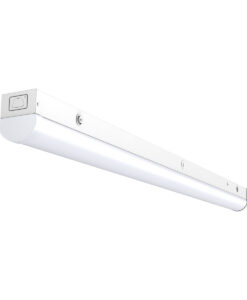
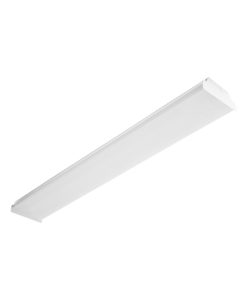
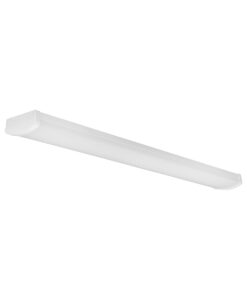
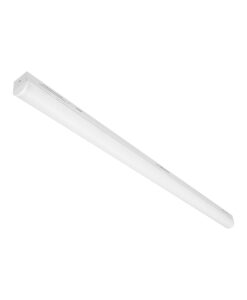
Understanding Shop Lights
Shop lights are designed to provide bright, efficient illumination in workspaces. They are commonly used in garages, workshops, basements, and even commercial settings. The primary purpose of shop lights is to enhance visibility, ensuring that tasks can be performed safely and effectively. Proper lighting can significantly reduce the risk of accidents and errors, making it an essential component of any workspace.
These lights come in various sizes, styles, and technologies, including fluorescent, LED, and incandescent options. Among these, the 4-foot and 8-foot fixtures stand out due to their versatility and effectiveness. The choice between these sizes often depends on the specific layout of the workspace and the nature of the tasks being performed. For instance, a craftsman might prefer 4-foot lights for detailed work, while a mechanic might opt for 8-foot fixtures to illuminate a larger garage area.
Types of Shop Lights
Shop lights can be categorized based on the type of bulb they use. Fluorescent lights have been a traditional choice for many years, but LED technology has gained popularity due to its energy efficiency and longer lifespan. Understanding the types of shop lights available can help in selecting the best option for specific needs. LED lights, for example, not only consume less power but also emit less heat, making them safer to operate over extended periods. Additionally, many LED shop lights now come with features such as adjustable brightness and color temperature, allowing users to customize their lighting environment according to the task at hand.
Common Applications
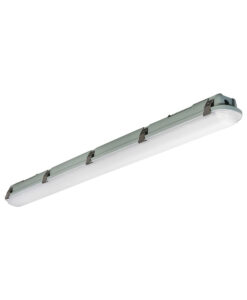
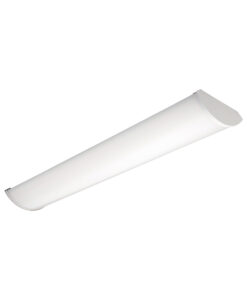
4-foot and 8-foot shop lights are commonly used in various settings. The 4-foot lights are often preferred for smaller spaces or areas where flexibility is key. Conversely, the 8-foot lights are ideal for larger areas, providing a broader coverage of light. Knowing where and how the lights will be used is crucial in making the right choice. For example, in a home workshop, 4-foot lights can be strategically placed above workbenches to provide focused lighting for intricate projects. In contrast, 8-foot lights can be installed in a commercial garage to ensure that every corner is well-lit, facilitating a safer and more productive work environment. Furthermore, many users are now opting for motion-sensor shop lights, which can automatically turn on when someone enters the workspace, adding an extra layer of convenience and energy savings.
Comparing 4Ft and 8Ft Shop Lights
When comparing 4-foot and 8-foot shop lights, several factors come into play, including brightness, energy consumption, installation requirements, and overall cost. Each of these factors can influence the decision-making process based on specific needs and preferences.
Brightness and Lumens
Brightness is a critical aspect of any lighting solution. It is typically measured in lumens, which quantifies the amount of light emitted by a source. Generally, 8-foot shop lights provide a higher lumen output compared to their 4-foot counterparts. This makes them suitable for larger spaces where more light is necessary.
However, the required brightness can vary depending on the tasks being performed. For intricate work, such as detailed woodworking or mechanical repairs, higher lumens are beneficial. In contrast, for general tasks, 4-foot lights may suffice. Additionally, the color temperature of the lights can also influence the perception of brightness; cooler temperatures (around 5000K) can make spaces feel brighter and more vibrant, which is particularly advantageous in work environments where precision is key.
Energy Efficiency
Energy efficiency is another vital consideration. LED technology has transformed the lighting landscape, offering significant energy savings over traditional fluorescent lights. Both 4-foot and 8-foot LED shop lights consume less power while providing the same or even greater brightness compared to older technologies.
When evaluating energy efficiency, it is essential to consider the wattage of the lights. Typically, 4-foot LED lights consume around 40 watts, while 8-foot LED lights may use approximately 80 watts. Although the 8-foot lights consume more energy, they also cover larger areas, potentially reducing the number of fixtures needed. Furthermore, the longevity of LED lights—often rated for 25,000 hours or more—means that the initial investment can be offset by reduced replacement costs and lower energy bills over time. This makes both options appealing for budget-conscious consumers looking to maximize their return on investment.
Installation and Maintenance
Installation and maintenance requirements can vary between 4-foot and 8-foot shop lights. Understanding these differences can help in planning the layout of the workspace and ensuring that the lighting remains functional over time.
Installation Considerations
4-foot shop lights are generally easier to install due to their smaller size and lighter weight. They can be mounted individually or in a series, allowing for flexibility in positioning. This adaptability makes them a popular choice for DIY enthusiasts and smaller workshops. Additionally, their compact nature means they can fit into tighter spaces, making them ideal for home garages or craft rooms where maximizing space is crucial.
On the other hand, 8-foot shop lights may require more robust mounting solutions due to their size and weight. They are often installed in larger spaces, such as commercial garages or warehouses, where they can be suspended from ceilings or mounted directly to walls. The installation process for these longer lights may also involve a team effort, especially in high ceilings, to ensure safety and proper alignment. Furthermore, 8-foot lights can provide a more uniform light distribution across expansive areas, reducing shadows and enhancing visibility for tasks that require precision.
Maintenance Requirements
Maintenance is an essential aspect of any lighting system. LED shop lights have a longer lifespan, often lasting up to 50,000 hours or more, which means less frequent replacements. However, when it comes to 4-foot and 8-foot fluorescent lights, the maintenance needs can differ. Regular cleaning of the fixtures is vital to maintain optimal light output, as dust and grime can accumulate over time, particularly in industrial settings where debris is common.
Fluorescent bulbs typically require replacement every 10,000 to 20,000 hours, depending on usage. Therefore, while the upfront cost of fluorescent lights may be lower, the long-term maintenance costs can add up. In contrast, investing in LED options can lead to significant savings over time due to their longevity and reduced energy consumption. Additionally, LED lights often come with features such as dimming capabilities and color temperature adjustments, allowing users to customize their lighting environment further. This adaptability not only enhances the workspace ambiance but also contributes to worker productivity and comfort, making it a worthwhile consideration during the initial installation phase.
Cost Analysis
The cost of shop lights is a significant factor in the decision-making process. Both 4-foot and 8-foot lights come with varying price points, which can influence the overall budget for a lighting project.
Initial Investment
When considering the initial investment, 4-foot shop lights are typically less expensive than 8-foot lights. This makes them an attractive option for those on a tight budget or for smaller projects. However, the cost should not be the only factor in the decision-making process.
It is essential to consider the long-term value of the investment. While 8-foot lights may have a higher upfront cost, their ability to illuminate larger areas can lead to better efficiency and productivity in the long run.
Long-Term Savings
Long-term savings should also be factored into the cost analysis. LED shop lights, regardless of size, offer substantial savings on energy bills. Additionally, their longer lifespan means fewer replacements, reducing overall maintenance costs.
When evaluating long-term savings, it is crucial to consider the total cost of ownership, which includes initial purchase price, installation costs, energy consumption, and maintenance expenses. This comprehensive approach provides a clearer picture of the true cost of lighting over time.
Choosing the Right Option for Your Needs
Ultimately, the decision between 4-foot and 8-foot shop lights depends on individual needs, preferences, and the specific application. Several factors can guide this decision-making process.
Space Considerations
The size of the workspace plays a significant role in determining the appropriate lighting solution. For smaller areas, such as a home garage or workshop, 4-foot lights may provide sufficient illumination without overwhelming the space. They can be strategically placed to maximize light coverage.
In contrast, larger areas, such as commercial settings or expansive garages, benefit from the broader coverage provided by 8-foot lights. These fixtures can minimize the number of lights needed while ensuring that the entire space is adequately illuminated.
Task Requirements
Another critical aspect to consider is the type of tasks being performed in the workspace. For detailed work that requires precision, such as electronics repair or intricate crafts, higher lumen output and brighter lighting are essential. In such cases, 8-foot lights may be the better option.
Conversely, for general tasks or areas where ambient lighting is sufficient, 4-foot lights can effectively meet the requirements without unnecessary brightness.

Conclusion
In summary, both 4-foot and 8-foot shop lights have their advantages and disadvantages, making them suitable for different applications. Understanding the differences in brightness, energy efficiency, installation, maintenance, and cost can help in making an informed decision.
Ultimately, the choice between 4-foot and 8-foot shop lights should be guided by the specific needs of the workspace, the tasks being performed, and the overall budget. By considering these factors, individuals can create a well-lit environment that enhances productivity and safety.
Investing in the right lighting solution not only improves visibility but also contributes to a more enjoyable and efficient working experience. Whether opting for the flexibility of 4-foot lights or the expansive coverage of 8-foot fixtures, the right choice can make all the difference in a workshop or garage setting.
Illuminate Your Space with PacLights
Ready to enhance your workspace with the optimal lighting solution? At PacLights, we’re committed to guiding you through the selection process with our premium LED lighting options tailored for both commercial and industrial environments. Embrace energy efficiency and superior design with our range of lighting fixtures. If you need personalized advice to determine whether 4-foot or 8-foot shop lights are right for you, Ask an Expert today and take the first step towards a brilliantly lit future.
Disclaimer: PacLights is not responsible for any actions taken based on the suggestions and information provided in this article, and readers should consult local building and electrical codes for proper guidance.