

Exterior linear lighting transforms building facades and outdoor spaces with clean, continuous illumination. These versatile fixtures create dramatic architectural effects while providing functional lighting for safety and visibility.
We at PacLights see growing demand for linear lighting solutions that combine energy efficiency with striking visual impact. This guide covers everything from fixture selection to installation best practices.
Which Exterior Linear Lighting Fixtures Work Best
LED Strip Lights Transform Outdoor Spaces
LED strip lights consume 3-5 watts per foot and offer unmatched flexibility for outdoor accent applications. These fixtures excel at under-railing illumination, deck perimeter projects, and landscape feature highlights. IP67-rated strips withstand heavy weather exposure, while IP65 versions handle standard outdoor conditions. Temperature ratings from -40°F to 140°F prevent LED degradation compared to cheaper alternatives rated only to 104°F. Position strips in aluminum channels for heat dissipation and professional appearance. Warm 2700K strips create inviting atmospheres, while 4000K options provide crisp visibility for security zones.
Linear Wall Washers Create Dramatic Building Effects
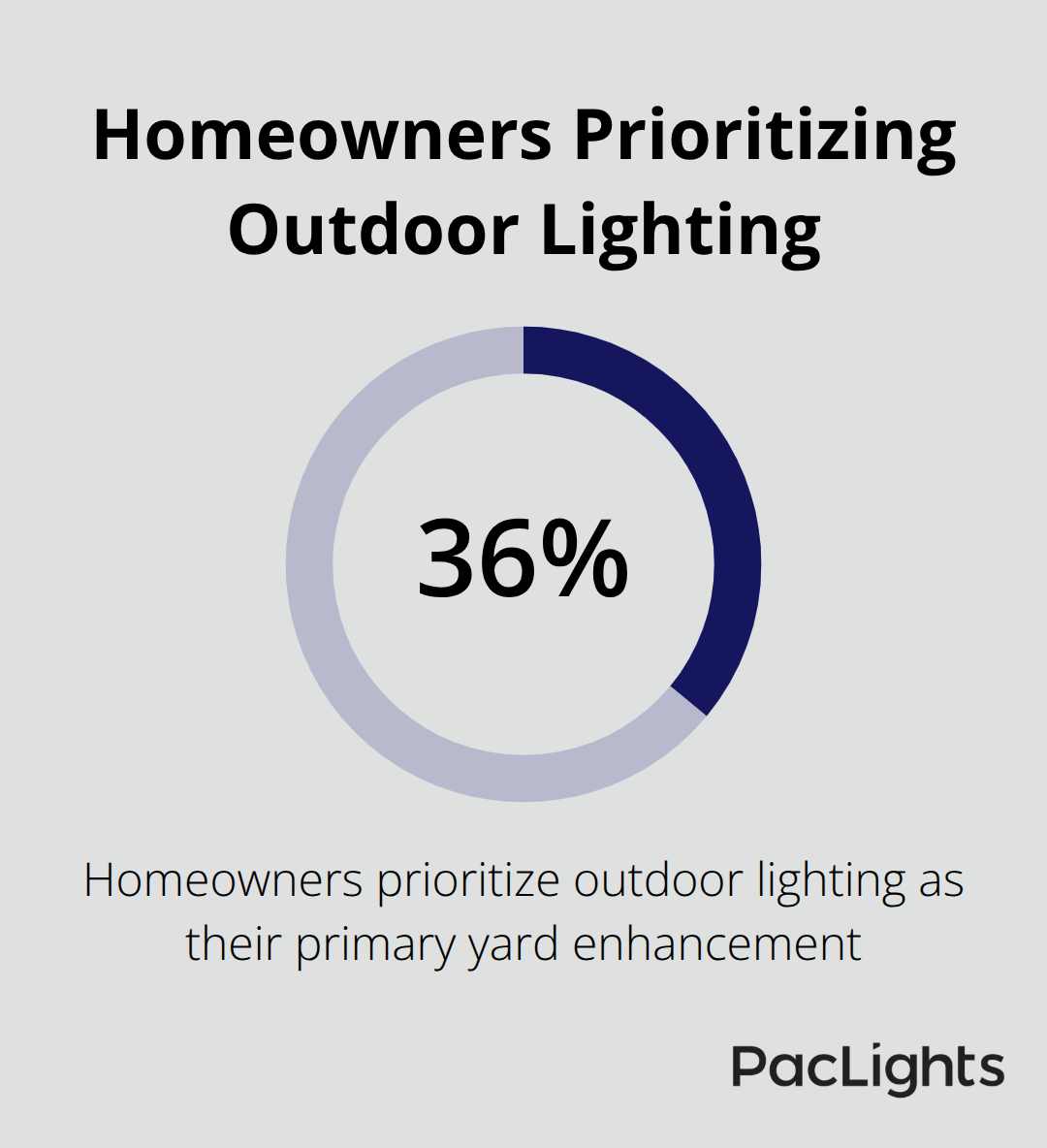
Linear wall washers range from 10-40 watts each and deliver focused beam control for facade uplighting. Narrow beam angles of 15-30 degrees create concentrated effects that emphasize architectural textures and building materials. These fixtures mount at ground level or on adjacent structures to graze vertical surfaces with even illumination. The American Society of Landscape Architects reports that 36% of homeowners prioritize outdoor lighting as their primary yard enhancement. Wall washers with adjustable brackets allow precise angle adjustments for optimal light distribution.
Choose fixtures with integrated glare shields to prevent light trespass into neighboring properties.
Architectural Linear Fixtures Define Building Character
Building-mounted linear fixtures integrate directly into facade design and provide both accent and functional illumination. These fixtures range from 20-100 watts depending on coverage requirements and height. Recessed linear fixtures create clean, unobtrusive lines, while surface-mounted versions add visual architectural elements. Wider beam angles of 45-60 degrees work best for general area coverage around entrances and pedestrian zones. Professional installations boost home values by 15-20% (according to insurance industry data). Select fixtures with photometric data to calculate proper spacing and light levels for your specific application.
Smart Controls Maximize System Performance
Modern exterior linear systems integrate with advanced control technologies for enhanced functionality. Dimming capabilities reduce energy consumption up to 40% while extending fixture lifespan. Motion sensors activate security lighting only when needed, cutting operational costs significantly. Smart controls allow remote monitoring and scheduling through mobile applications or building management systems. These systems adapt brightness levels based on ambient conditions and occupancy patterns. Proper control integration requires compatible drivers and communication protocols between fixtures and central systems.
Once you select the right fixtures for your project, proper planning becomes essential for successful implementation.
How Do You Plan Effective Exterior Linear Lighting
Start with Environmental Assessment and Power Planning
Site assessment determines your project’s success before installation begins. Measure existing electrical capacity and identify transformer locations within 100 feet of lighting runs to minimize voltage drop below 5%. Low-voltage transformers (ranging 300-600 watts) handle most residential linear LED installations effectively. Evaluate soil conditions for trench depth requirements – dig 18-24 inches deep to protect cables from frost heave damage. Install warning tape 12 inches above buried cables to prevent accidental cuts during future maintenance, which reduces incidents by 80% according to utility industry data. Position transformers in shaded areas to prevent overheating, which reduces lifespan by 40% when exposed to direct sunlight. Test soil drainage patterns and identify sprinkler systems that might interfere with fixture placement or cable routes.
Calculate Light Output and Color Temperature Zones
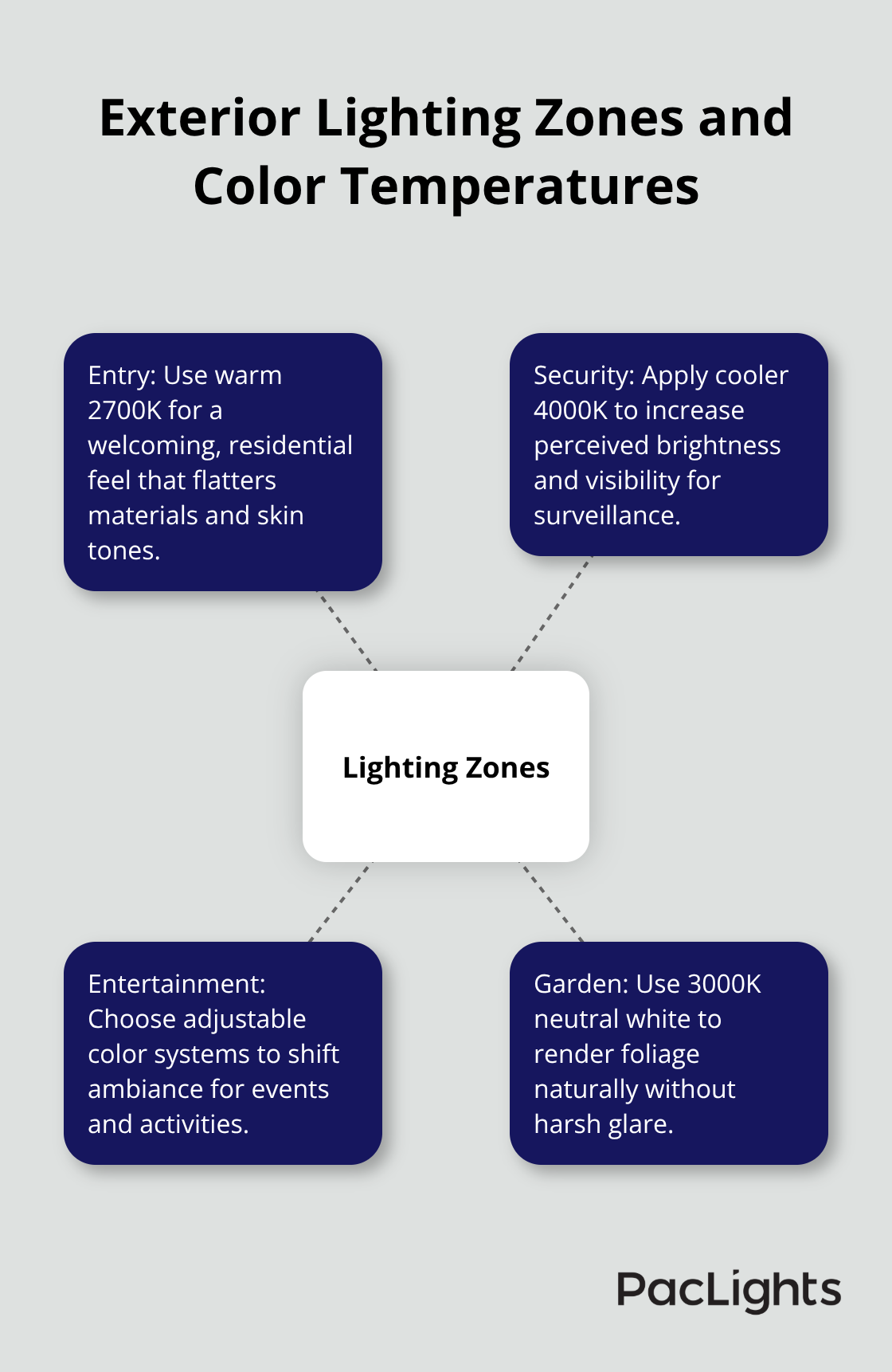
Create four distinct zones with specific color temperatures for optimal performance: entry areas need warm 2700K fixtures for welcoming atmospheres, while security zones require cooler 4000K lighting for enhanced visibility. Entertainment spaces benefit from adjustable color systems, and garden features work best with 3000K neutral white.
Calculate lumen requirements based on area size and safety standards – pathways need fixtures spaced no more than 20 feet apart for safe navigation. Dedicated downward-focused lights become essential for steps and elevation changes, which present the highest injury risk areas. Well-designed systems reduce nighttime accidents by up to 75% (according to insurance industry data). Position uplights at precise angles to eliminate shadows while preventing glare that disturbs neighbors or violates local ordinances.
Plan Fixture Placement for Maximum Impact
Strategic fixture placement creates dramatic effects while maintaining functional illumination. Space linear fixtures evenly to avoid hot spots and dark zones between light sources. Mount wall washers at distances equal to one-third the wall height for optimal coverage and beam distribution. Consider seasonal changes in vegetation that might block or redirect light patterns throughout the year. Account for snow accumulation in northern climates when determining fixture heights and mounting positions. Test each fixture location during site visits to verify proper angles and coverage before final installation begins.
Proper planning sets the foundation for successful installation, but technical considerations and weatherproofing requirements determine long-term system performance.
What Are the Key Installation Requirements
Weatherproof Protection Standards
IP67 rating serves as the minimum acceptable standard for exterior linear installations that face rain, snow, and moisture exposure. IP68-rated fixtures deliver superior protection for areas with standing water or heavy snow accumulation. Fixtures rated for -40°F to 140°F temperature ranges prevent LED degradation and maintain consistent performance year-round. GFCI protection on all transformer circuits safeguards against ground faults in wet conditions.
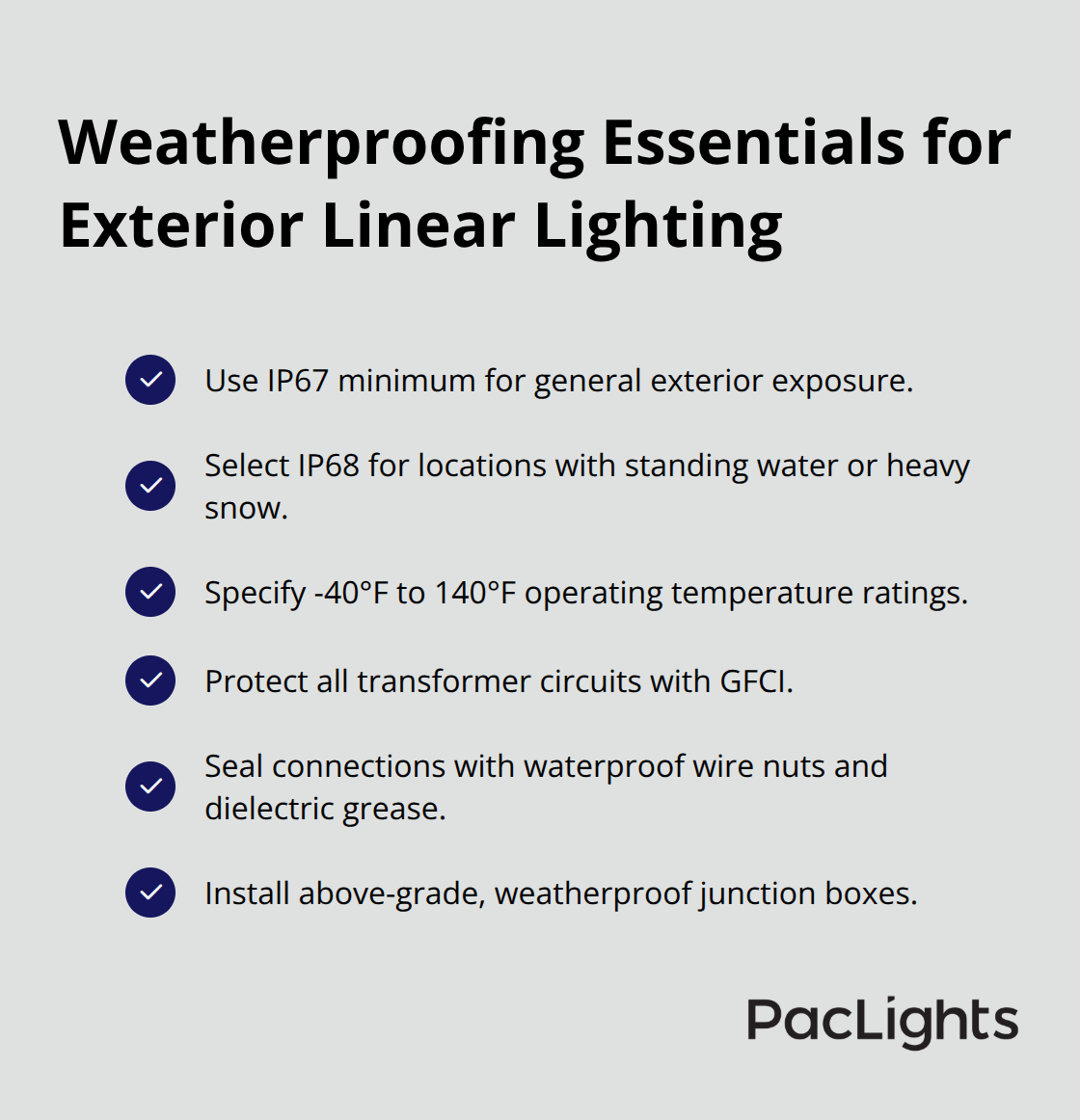
Waterproof wire nuts seal all electrical connections while dielectric grease prevents corrosion. Junction boxes must sit above grade level and use weatherproof enclosures rated for outdoor exposure.
Power Distribution and Control Integration
Low-voltage systems require 12V or 24V transformers positioned within 100 feet of runs to maintain voltage drop below 5%. Calculate total wattage requirements by multiplying fixture count by individual power consumption (LED strips typically consume 3-5 watts per foot while linear wall washers range from 10-40 watts each). Dedicated 20-amp circuits handle transformer loads that exceed 1,440 watts. Compatible drivers that match control protocols work with dimming systems – 0-10V dimming operates reliably with most LED fixtures while DALI systems provide advanced programming capabilities. Smart controls require proper grounding and shielded data cables to prevent interference from electrical noise.
Mounting Techniques for Long-Term Stability
Surface-mounted linear fixtures require structural analysis for wind loads that exceed 90 mph in most building codes. Stainless steel brackets with expansion anchors rated for concrete or masonry substrates provide secure attachment. Mount points every 24 inches for fixtures longer than 4 feet prevent sagging and maintain proper beam alignment. Recessed installations need weatherproof housings with drainage weeps to prevent water accumulation. Structural sealant around all penetrations and backing rods with polyurethane caulk for expansion joints create watertight seals. Ground-mounted fixtures require concrete footings that extend below frost line depth – typically 36-48 inches in northern climates. Electrical box installations must follow local codes for safety and functionality.
Final Thoughts
Exterior linear lighting delivers measurable benefits that extend far beyond basic illumination. These systems reduce nighttime accidents by up to 75% while they boost property values by 15-20%. LED technology consumes 75% less energy than traditional alternatives and creates substantial cost savings over the fixture’s 50,000+ hour lifespan.
Success depends on proper fixture selection, weatherproofing standards, and professional installation techniques. IP67-rated fixtures with temperature ranges from -40°F to 140°F provide reliable performance across all climates (maintaining voltage drop below 5% through strategic transformer placement). Annual inspections of connections and mounting hardware maintain optimal system performance.
Implementation starts with site assessment and electrical capacity evaluation. Calculate total wattage requirements early and plan for future expansion needs. We at PacLights provide comprehensive lighting solutions with energy-efficient LED fixtures and advanced controls that help optimize your exterior linear lighting investment for maximum performance and cost effectiveness.
Disclaimer: PacLights is not responsible for any actions taken based on the suggestions and information provided in this article, and readers should consult local building and electrical codes for proper guidance.